Prufrock Coffee: The Standard

Well ! I promised a followed up post on just Prufrock alone and here it is. Dare I say it, but I think this is probably the best coffee destination in London. I have been tracking the success of Gwilym Davies since he won the WBC in 2009 and after tweeting back and forth that I was coming over, literally off the plane and after freshened up in the BA Lounge (that’s another story), I headed straight for Prufrock Coffee on Leather Lane. It seemed like a lifetime getting there because Prufrock is located in the legal district of London and more specifically on a market street and as it was a public holiday, the streets were dead. I was even beginning to wonder if they were open, but of course they were – serious coffee drinkers never sleep.

On the outside, there’s this:

Not sure what it is, but in the window display, there’s a bike and some exclusive looking coffee gadgetry – you have arrived.

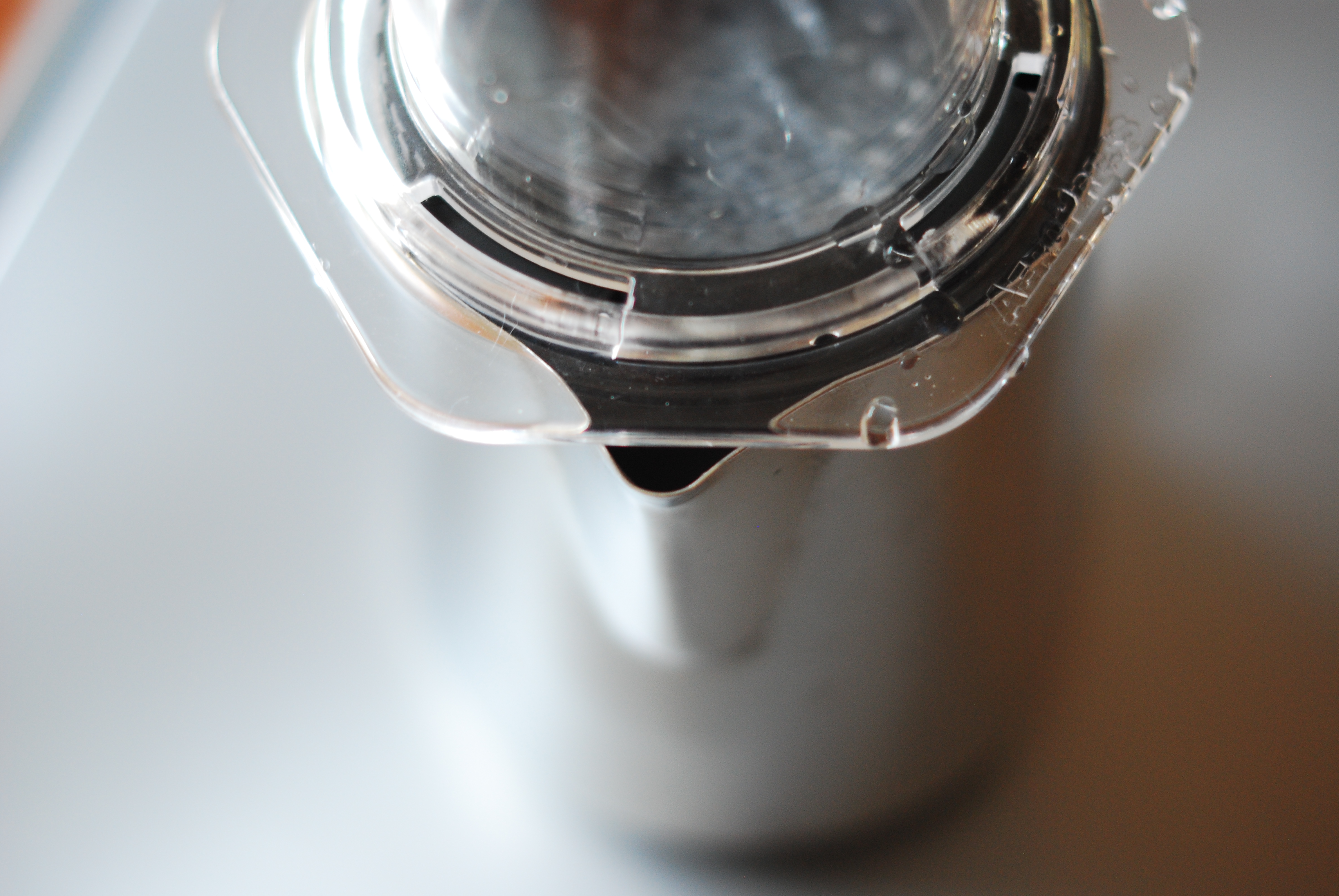
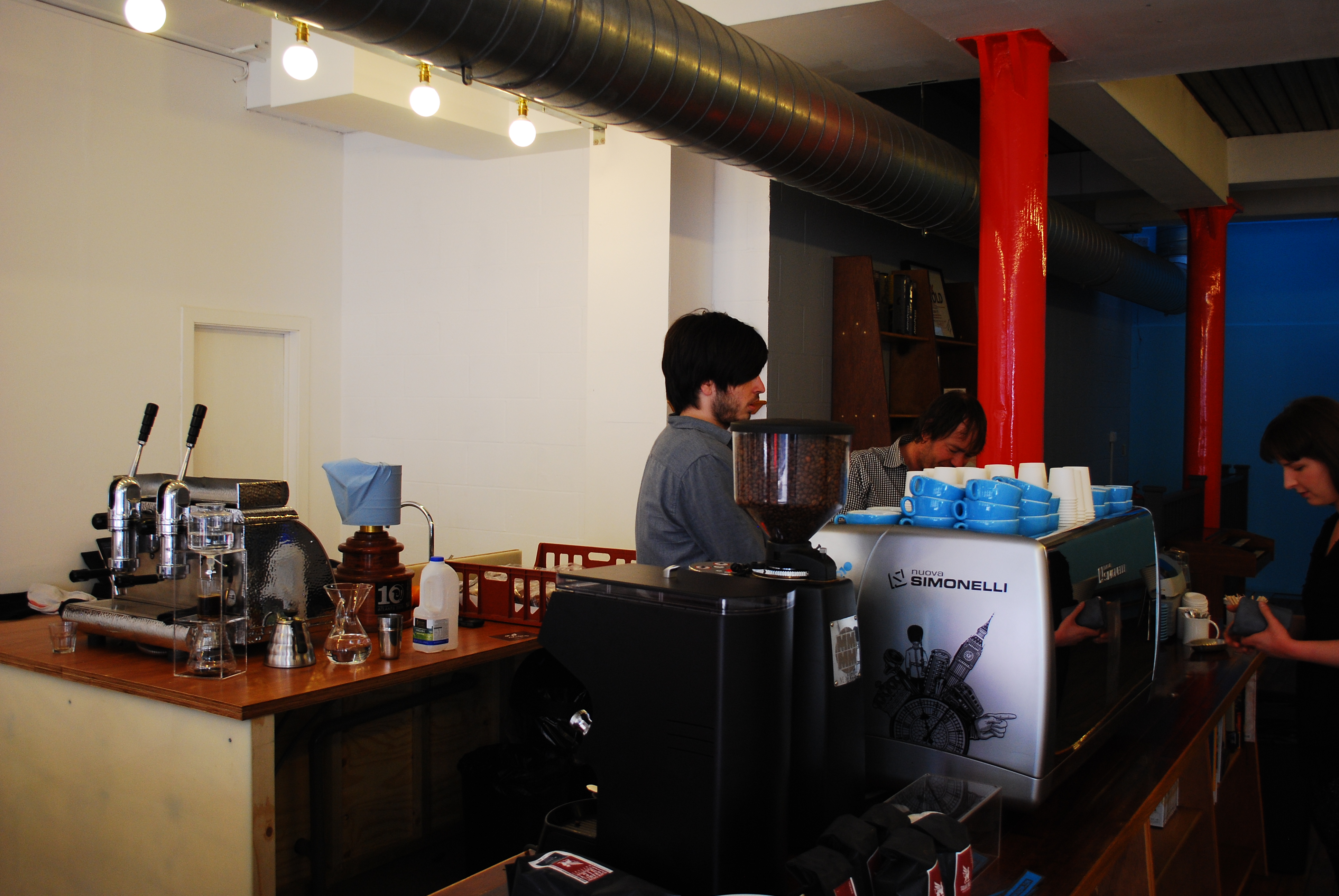
Walking inside, it comes across as a bit bare, there are some stairs leading downstairs on your right (more on that later), some chairs and an old paino, but as you get further in and glance to your left, there it is, the “the brew bar” – loaded with a 3 group Nuova Simonelli Aurelia (courtesy of WBC 2010), Robur E, a prototype grinder, hario V60, aeropress, a slow brew gadget (see below)

 a chemex, a woodneck, an Uber Bolier, the WBC award, a manual espresso machine and I’m sure I’ve missed something. There’s also a wooden retail shelf, stocked with Square Mile Coffees.

Now, we are talking coffee. In short, there’s almost every gadget known to coffee geeks, to make good quality coffee at Prufrock and if you think they are there for show, take a sit and let them educate you, but make sure you have the time and a clean palate to take your taste buds on a twirl.

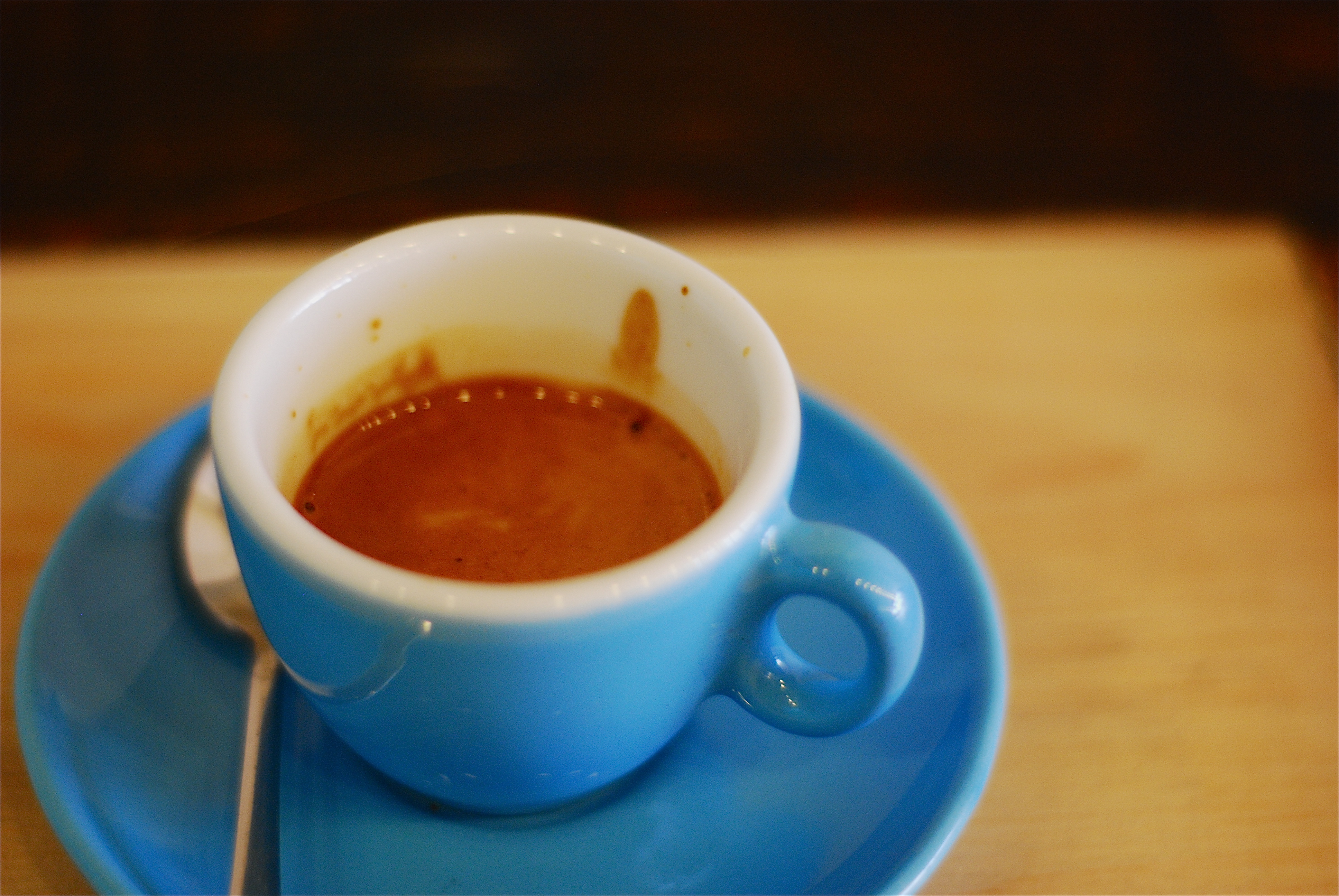
So, what did I do ? Well, of course as a WBC champion to make me an espresso. After that, I had a piccolo from another barista. On my second visit – I had to go at least twice in 4 days – I asked Jeremy to make me an espresso, using the exclusive to Prufrock (roasted by Square Mile Coffee Roasters) Pomorroso – Single Estate Colombian Arabica. I have to say, this was probably one of the best espresso I’ve ever tasted – creamy, wrap around your lips, nutty, fruity and soothing to the tummy (stomach for non-Brits).

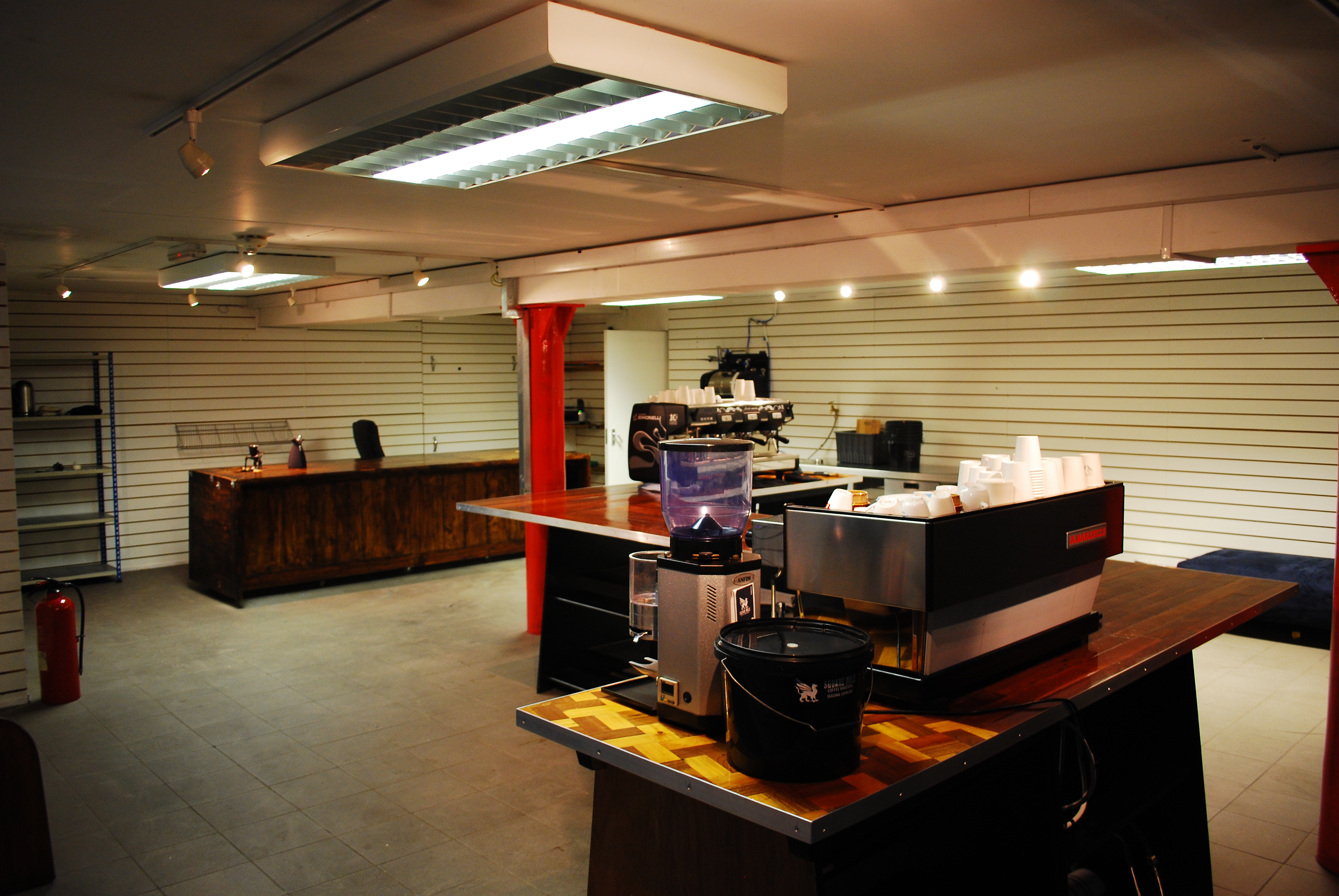
So, on the stairs leading downstairs, Gwilym showed me their future barista training academy, equipped already with a nice looking La Marzocco Linea 3 group, the Penny University Brew Bench and other bits – would love to train there one day.

They are just beginning to find their feet, but I think the idea is to grow into the space. This is pure coffee nirvana, so don’t expect anything to eat, even though they tend to have the occasional delivery of cakes. They’ve also got some books – I bought the latest London Coffee Guide book and some coffee equipment to buy. I think they may roll out more stuff later, but pay them a visit on Leather Lane, if you love coffee and if you are curious, walk in, learn and drink.

London Coffee Scene 2011: Summary, PART II

 The West End (Covent Garden, Soho, Fitzrovia)

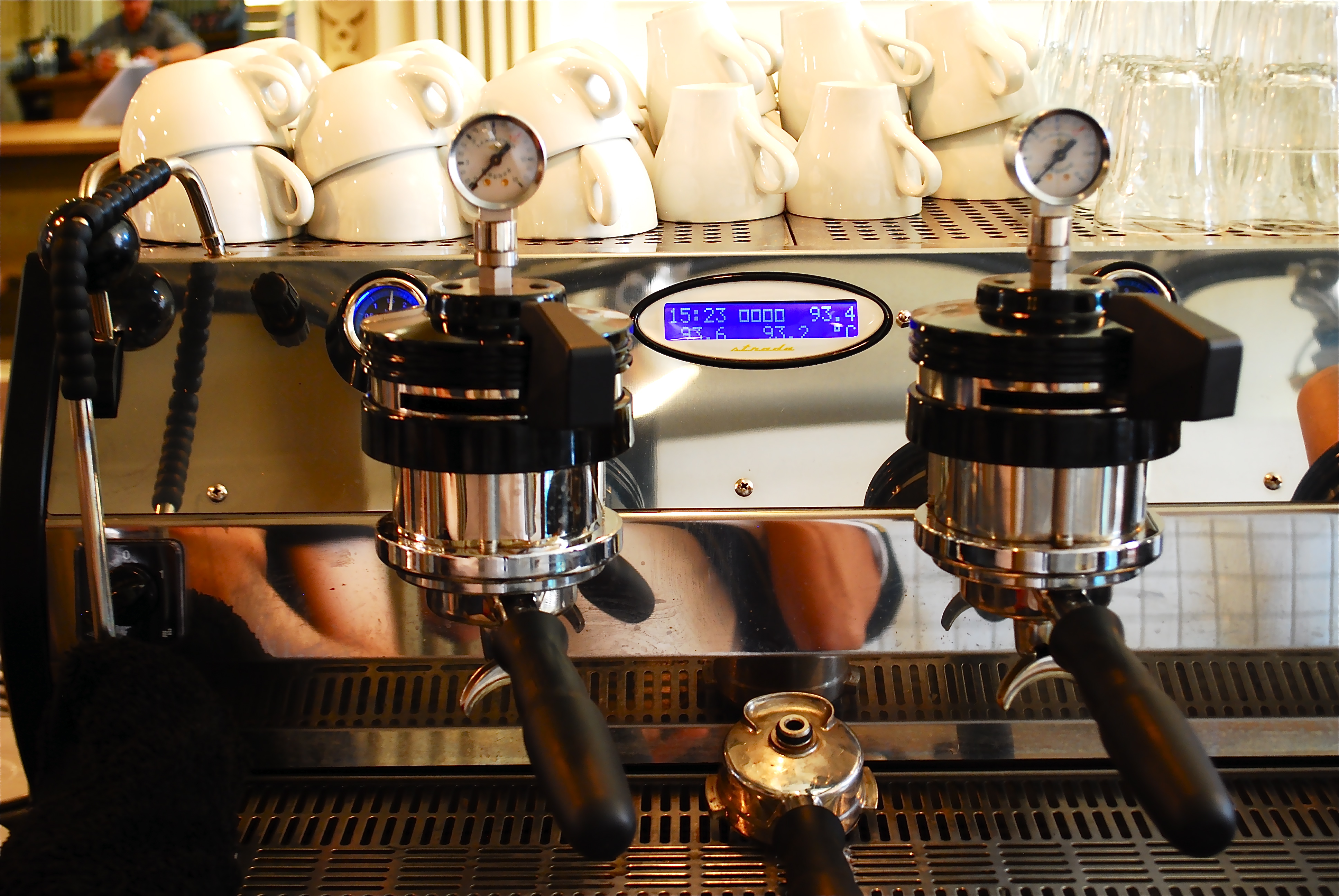
And we start with the place with the best gadget, Yep ! the La Marzocco Strada OR Notes Music & Coffee, located at 31 St Martin’s Lane, Covent Garden, almost opposite Trafalgar Square from the Charing Cross End (Londoners will know where I mean). I’d heard that there was a cafe which had been first off the mark to buy and install the most up to date and probably most expensive espresso machine in the World when reading through my tweeter feeds, so a mental note was made to head down here for coffee. Not being a totally mad gadget man in general, but when it comes to coffee, I’m a victim, so after having being treated to lunch on a sunny day at Jamie Oliver’s Italian Restaurant in Covent Garden by my brother, we headed down the road to Notes Music & Coffee. From the outside, you are tempted by the lovely array of sandwiches and cakes, BUT I knew that I was here for one thing, an espresso on a Strada machine. Doesn’t it look beautiful…

Josh, the barista, was busy and introducing myself briefly, I asked if I could take a picture of this lovely machine….. Warning ! coffee geek inside. So, I snapped away and then obviously asked for a Strada made espresso, which he made, using Square Miles’s Capao, extracted at 93 C – a bit bright for me with such a bean, which I believe is best extracted at a higher temp to highlight the nutty caramel toffee flavours. From one coffee expert to a geek, Josh kindly declined to accept payment. There ! I had had my first LM Strada coffee, yipee !

Flat White & Milk Bar, Soho

Well ! How could I not resist, another almost “must-go destination” for coffee in London, Flat White – where it all began (for me in any case). Needless to say, I had a flat white and I was very pleasantly surprised to see that Cameron, owner and barsita, was still pouring latte art, about 5 years since opening – now ! how’s that for consistency and commitment. A note to the pretenders – the major downfall of start ups, is a lack of consistency and for charming brands, the invisibility of the owner/charismatic face of the biz. Thumbs up to Cameron. Still on that consistency thing, Flat White, still serve take away flatties with a latte heart

And yes, it was still delicious and yes, Flat White are the only cafe that Sqaure Mile Coffee create a blend for.

I actually finished my London tour, hours before my flight back to Cape Town with a visit to Flat White’s sister (why don;t they say brother ?) shop, Milk Bar on Bateman Street in Soho, where I had a fantastic espresso experience. I mean, who takes 5-7 minutes to make you an espresso ? The chief barista (I forgot his name, shame on me) at Milk Bar does, especially if he sees someone come into the cafe, order espresso and then ask him how long he’s doing the pre-infusion for, whilst admiring the Robur E Mazzer Grinder (the daddy of all daddy grinders). The first shot, which he didn’t want me to drink, went right through my tongue like a rocket, with a nutty like taste and the second, kind off filled my mouth, wrapping itself around the edge of my tongue and then coming back in – wow ! No pic, as I was struggling with last minute shopping, but nevertheless, a great culinary experience.

Kaffeine, 66 Great Titchfield Street, Fitzrovia

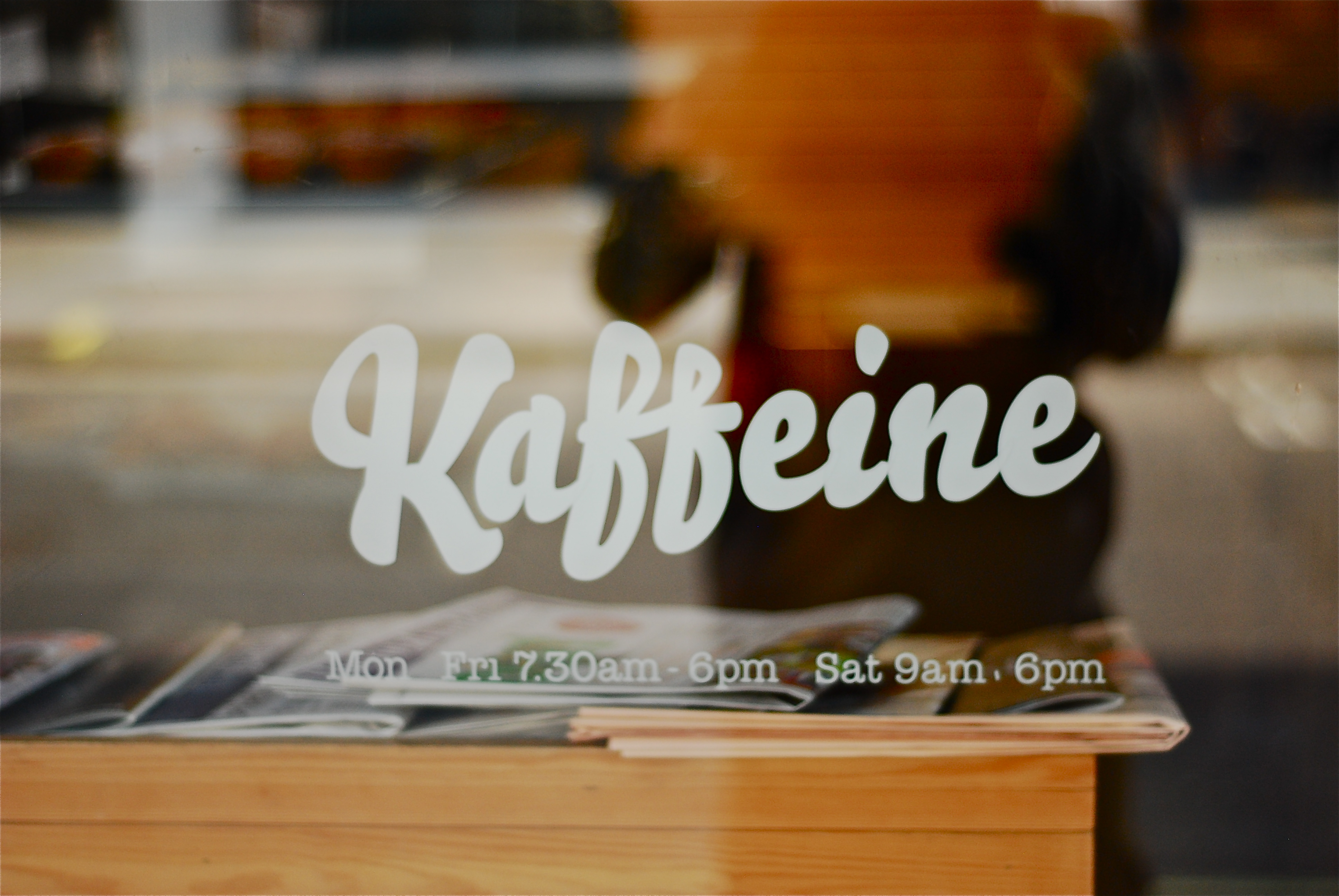
Last but not least, it was a trip I had been planning even before I packed my suitcases for my trip, a trip to Kaffeine, 66 Great Titchfield Street, London W1, winner of Europe’s best independent coffee shop and more recently, winner of Britain’s best sandwich and coffee shop.

I think I should mention this up front as it’s been on my mind but what is with Aussies and coffee and why are they ruling the London coffee scene ? I can only stand by and admire and wish they would come to Cape Town and help me out with converting the masses to a great brew, but lucky London. OK ! I digress, we are at Kaffeine, my first priority on my last leg in London, which I visited on Saturday morning in the area known in London as Fitzrovia, which means the space in between Regent’s Park and Oxford Street, parallel to Great Portland Street – a quick geography lesson for non-Londoners.

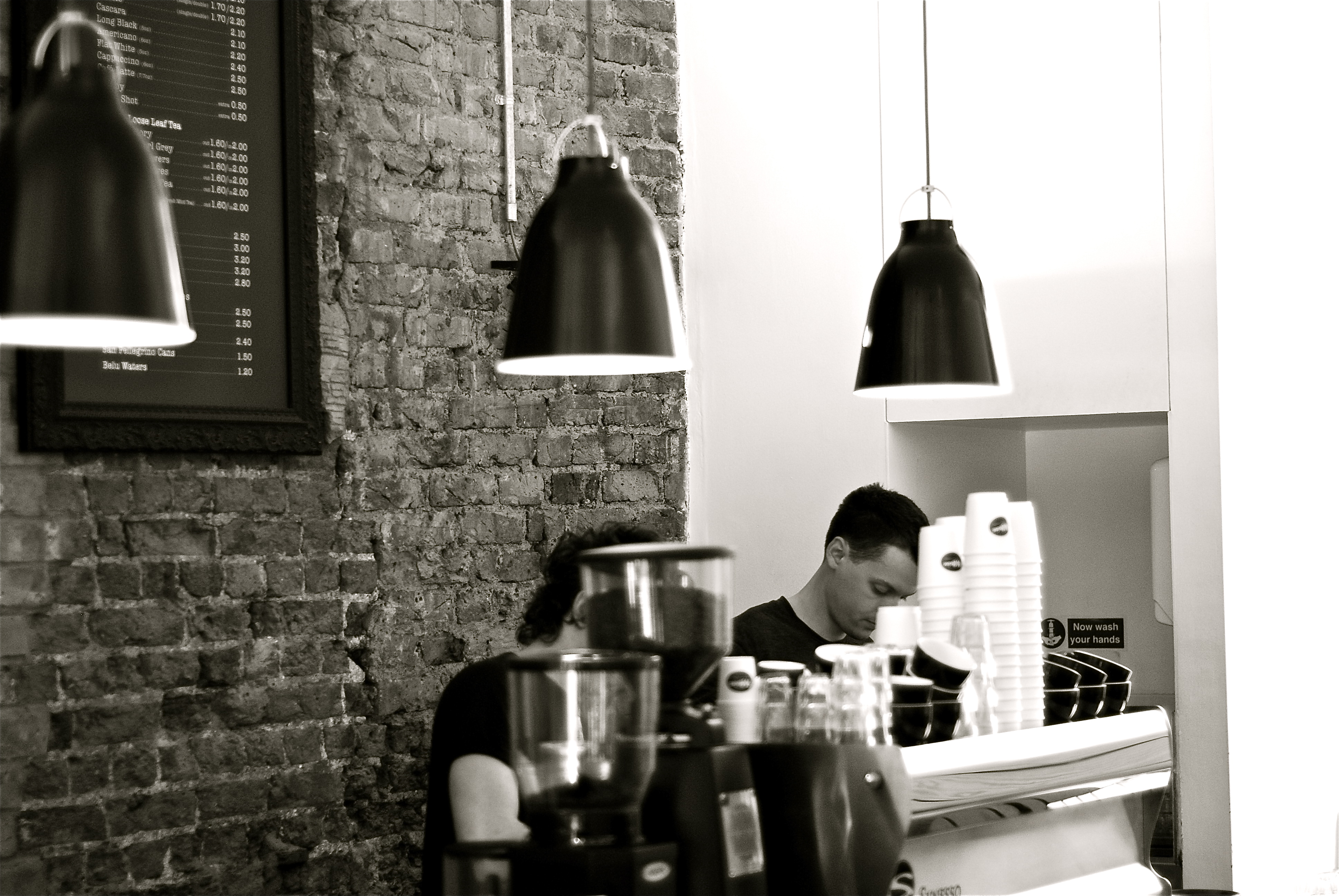
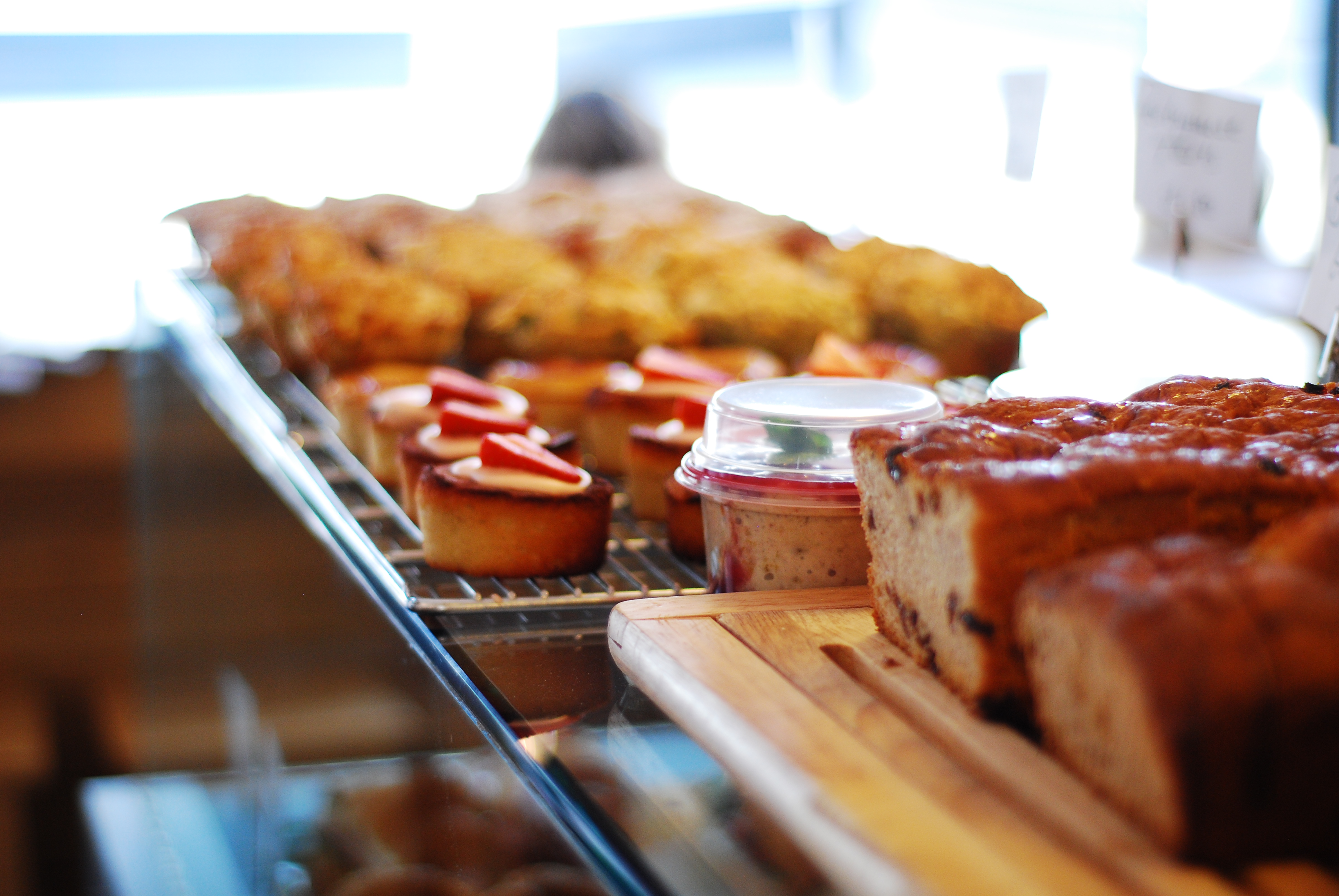
I really loved the simplicity and yet high quality finish of Kaffeine, which incidentally is small and cozy and was quiet when we arrived around 11am, but I was told on a normal day, 570 cups are the norm and on a quiet day, 200+ (Oh London ! should I have opened my cafe in you ?). As you enter Kaffeine, you are tempted by delights like strawberry friands (another great Aussie invention) and yes I was tempted and asked for one to go with my flat white.

I brought an old University friend with me and asked him to try a cappuccino – “wow ! coffee can taste like this, now I know why you are so crazy about coffee Lameen” was his reply after his first sip.

Kaffeine have a Synesso Cyncra, use a Robur E (but of course) and Square Mile Coffee and are led by top barista Cathy, who kindly gave us complimentary coffees, spotting the coffee geek in me. The staff were very attentive and one promised to visit Cape Town very soon – so watch this space if he does, as I might offer him a temp job, before he heads back to London. Go Kaffeine Go and well done on all your achievements. Can’t wait to visit again.

And there you have it….

That’s all I can say and well done London, Londoners for appreciating great coffee and I’m sorry, but I have to say this, Aussies for helping out with the quality, et al.

London Coffee Scene 2011: Summary, PART I

Wow ! Wow ! That’s what I have to say about the London Coffee Scene in 2011. A few years back, whenever I went to London, I headed straight for SOHO, and to be precise, order a flat white at Flat White on Berwick Street, and stop for an espresso at its sister shop, Milk Bar on Bateman Street, also in Soho. If I wanted a little tasty snack to accompany an espresso or a piccolo, I would go to Fernandez and Wells on Beak Street, Soho. In fact, that’s what I did when I last visited London in July 2009 – head to Soho for great coffee. BUT, in the space of just 18 months, the speciality coffee scene in London has literally mushroomed, so that on my visit in April 2011, I had to carve out London just to check out the coffee scene. First up, I wandered into unknown territory for me, East London and more specifically Clerkenwell. I had lived in London for many years but I had never been to this part of London before – OK! I knew this is where Jamie Oliver’s famous Fifteen Restaurant was located, but that was it. Now to the coffee.

Clerkenwell, East of the Centre of London, Hangout for the Legal Types, etc – Get off at Chancery Lane Tube Station

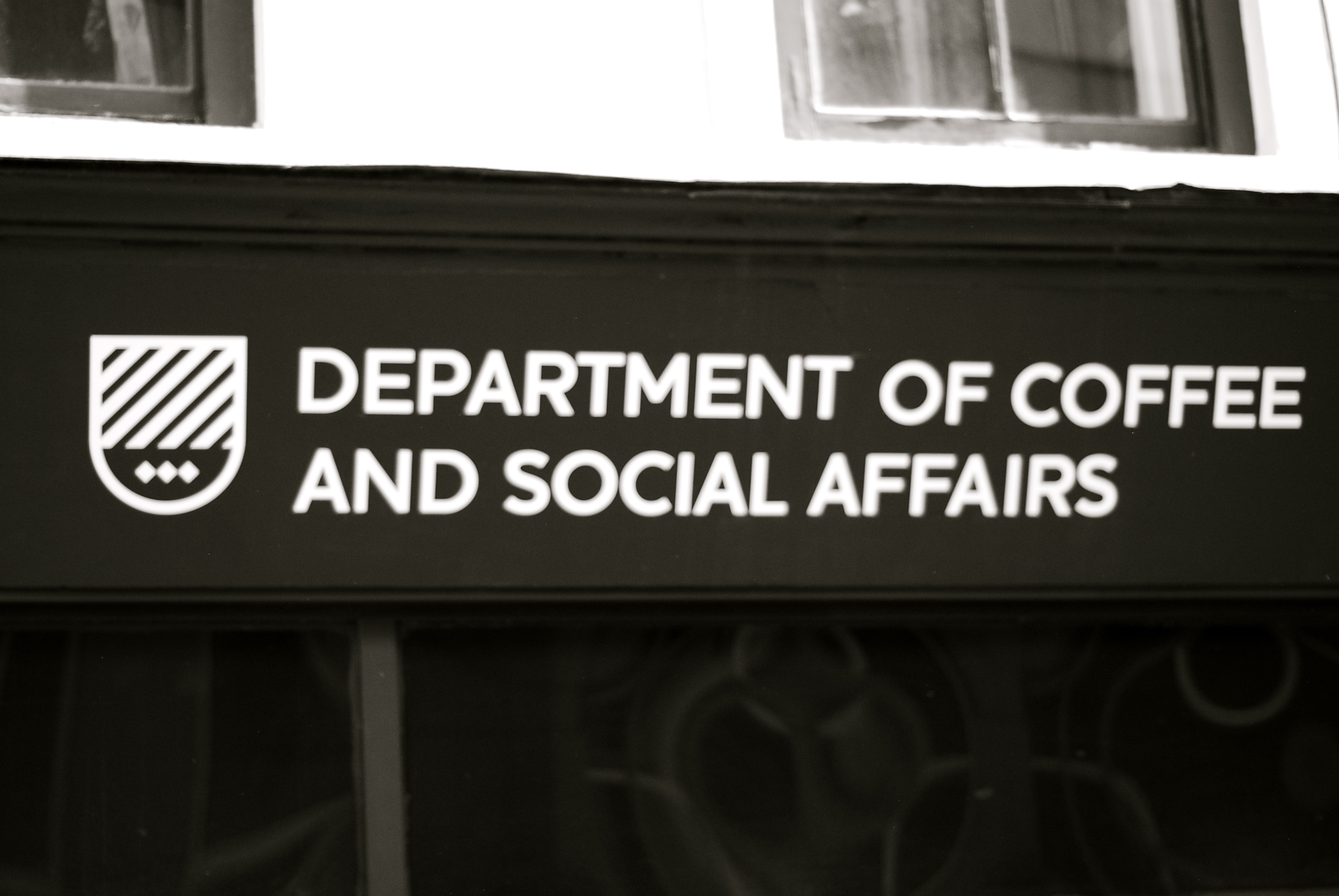
This has to be the new hot spot for coffee with three choices, Prufrock Coffee, Department of Coffee and Social Affairs (the coolest name) and St Ali UK. I headed first for Prufrock Coffee on Leather Lane, 2009 WBC Champ, Gwilym Davies, spot. This is a must for all serious coffee lovers, with a brew bar hosting almost all forms for brewing coffee (hario woodneck, hario siphon, hario V60, aeropress, espresso machines, uber boiler, prototype grinder, a slow brewer and probably more). I had an espresso and a piccolo on my first trip and on my second (yes ! I had to go twice despite the distance) I had probably one of the best espressos of my life, using Square Mile roasted Colombian Pomorroso arabica beans.

I plan to do a separate post on Prufrock, so the above is just a taster.

Almost opposite Prufrock on Leather Lane too, is Department of Coffee and Social Affairs, which only opened in December 2010.

I went around lunchtime as it was rapidly getting packed with office workers looking for something tasty to eat to accompany their great cup of coffee. I was pleasantly surprised to learn that for a cafe that had only been opened for about 4 months, there were streams of people coming in and out of the Department. Hmmm ! perhaps I should have opened up my cafe in London’s East End and not Cape Town, but better weather and better cost of living in Cape Town won the day. With the lovely display of sandwiches on display, I’m not surprised that people were pouring in for lunch to fill their tummies with these tasty delights;

I met with Chris and sensing that I wasn’t just a normal customer, all the way from South Africa and with a hint of coffee knowledge, he gave me a complimentary piccolo and Spanish anise biscuit.

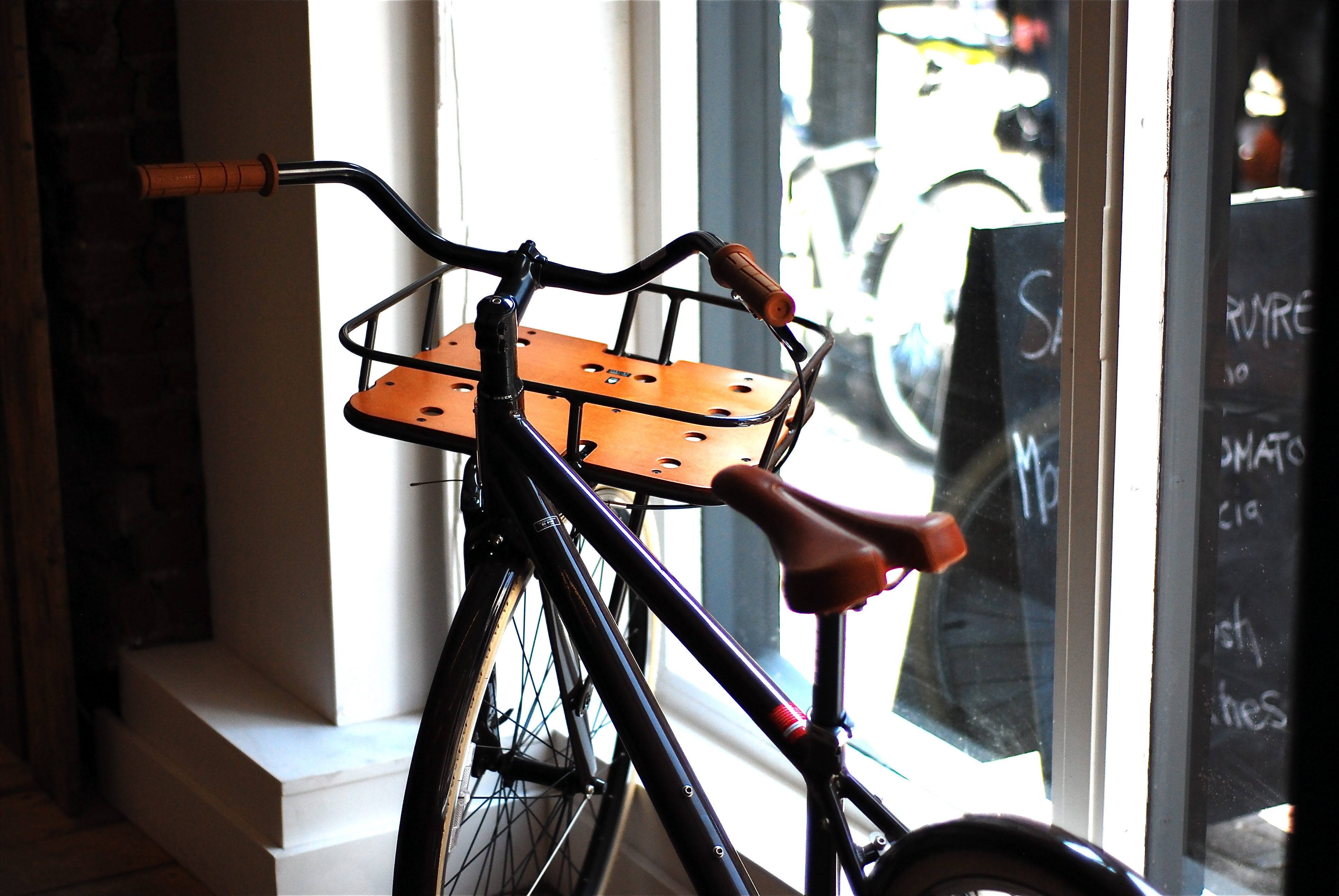
I really loved the space, which reminded me off my own (they even had the same La Marzocco 3 group linear machine I have at escape caffe), but a little more rugged and with little spaces to work. I really liked their Globe bicycle, pic below.

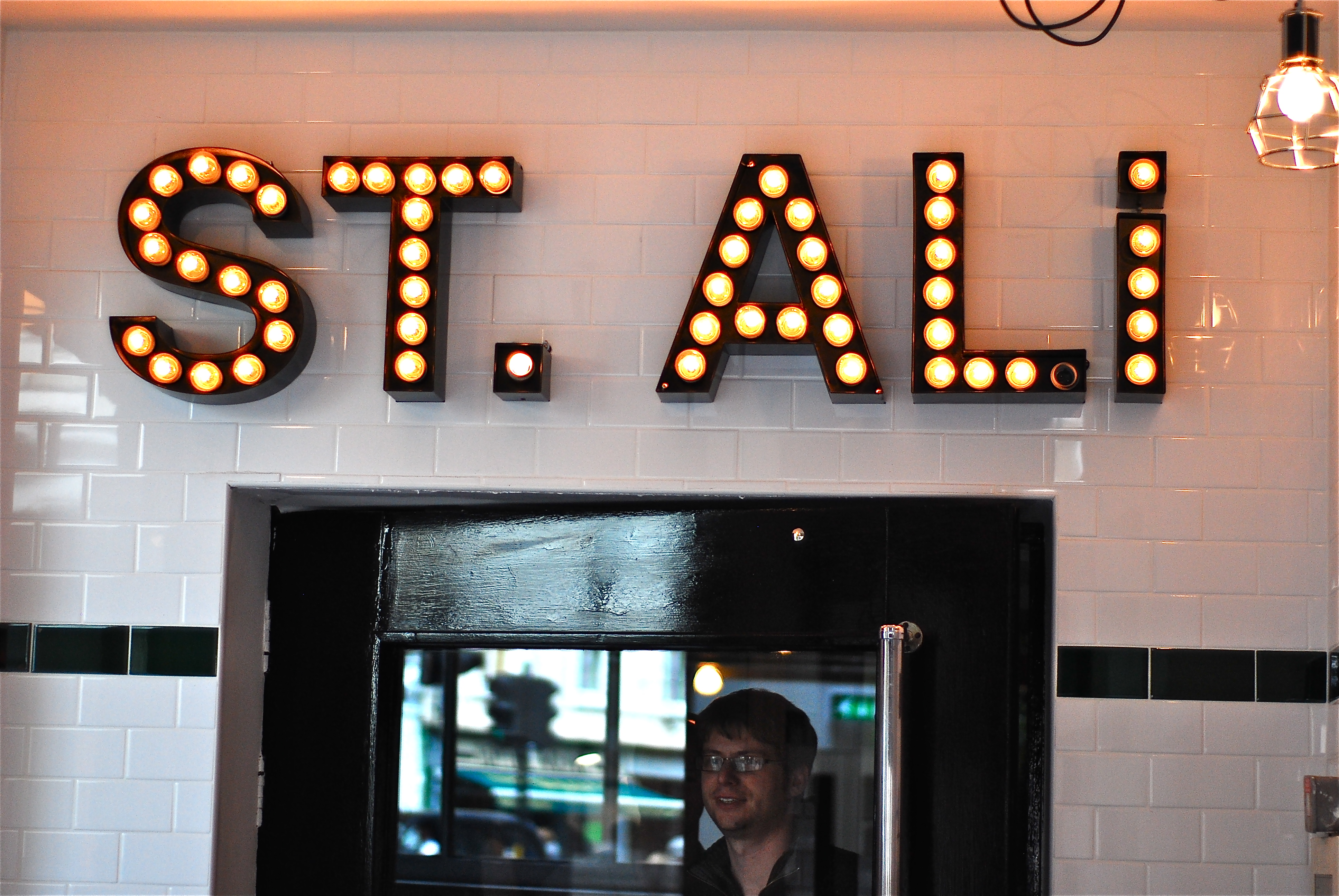
So, finally, St Ali – UK. If you are an international coffee buff, raise your hands – me, me….. okay I’ve got to keep writing this, you’ll have heard of St Ali, who are one of the most famous coffee establishments in Melbourne, Australia. They are like crazy about coffee – a destination in their own right. So, when I heard they were opening a cafe in London, I kinda went berserk, especially as they were going to be open before my trip. They are located at 27 Clerkenwell Road, almost hidden, but as you enter, there’s a coffee roaster in the window and their signage is lit up, so you’ve got no excuse in missing it.

I really loved their decors, which was a bit similar to mine at escape caffe, with exposed brick, but a bit darker and hence cozier than mine. As you enter, there it is, the famous Slayer Espresso machine (see below) greets you – sort of letting you know that although they serve food, they are serious about coffee. If that wasn’t enough, once you pass the Slayer and wander tot he back of the cafe, they have a gigantic coffee roasting machine.

Also at the back and next to the coffee roaster, there’s a green plant wall and an atrium of about three floors (I promise a pic summary of the London coffee scene later). I met with Baptiste (a French barista who worked at their Melbourne establishment, but has been relocated to London) and Tim Styles, formerly of Intelligentsia and more recently Square Mile Coffee and who has been recruited to oversee their coffee roasting operation. I had a flat white with my brother, looked around and on my second visit, bought their Cult of Done espresso blend. From what I’ve been reading, St Ali is becoming extremely popular with the London fashionista, featuring in Vogue, with queues outside on Sundays and their hiring like crazy already as they prepare to operate from 2 floors, offering both coffee and food.

In summary, head down to this part of London for a great cuppa (very English lingo) and as I observed, all cafes had a Mazzer Robur E grinder, which hints that each one is making hundreds of cups of coffee per day, so expect a queue at busy times.

For PART II, I’ll take you to central London, so watch this space.

1 more thing about Serra do Bone @ Home

Serra do Bone Naked by Lameen
Serra do Bone Naked a photo by Lameen on Flickr.

I could easily have updated my last post but decided not to. In any case, JUST ONE MORE THING ABOUT Serra do Bone @ Home, which really applies to making coffee at home. I have to confess, all those years that I was making coffee at home I never measured the weight of my coffee before putting it through the grinder and extracting espresso. There are many reasons for this, which in a nutshell can be described as, that I just assumed that as long as I ground enough to fill the double basket and as long as I got about 25ml espresso in 22-25 seconds and there were nice tasting notes at the end, Voila ! it was right. Well ! WRONG – well ! that’s a bit harsh – not exactly true is closer to the final judgement. WHY ? Here we go…

1. Too much coffee doesn’t mean a better taste: We often assume that the more coffee you get into the porta filter the stronger the coffee and hence the taste. This isn’t true. Sure you may get more coffee and perhaps more caffeine, BUT not a better taste, because we now know that the coffee can taste better with lower weights, especially milk-based espresso, i.e. cappuccinos.

2. How much coffee should we use ? There’s a sort of standard agreement that espresso is made using 7 grammes of coffee, and so a double shot, should be 14 grammes, right ? Well ! not exactly. There are many parameters that affect the taste and now, some say between 18-22 grammes. So, initially I thought that at escape caffe, we would go for 20-22 grammes of coffee, so that all that milk would not drown out the taste of the coffee. However, after about a few weeks and consulting with my roaster, we realized that by reducing the weight to just under 20 grammes, we could get a better taste profile.

3. What’s the right grind ? Higher weights of coffee can mask/hide the right grind for the coffee you are using, HOW ? If you use a lot of coffee, you have to grind coarser to make sure it goes through the portafilter, because remember, that the finer the grind, the harder it would be to get through the portafilter when extracting espresso. Still with me ? BUT, if we use less coffee, we don’t have to grind so coarse. I noticed that when we were grinding the coffee, we had lots of clumps of coffee, which meant we were grinding lots and the heat of the grinder (which are programmed) was making the coffee clump together. So when we reduced the weight of the coffee to about 19 grammes, we didn’t see so much “clumping”.

All the above arguements have been discussed at great length on twitter by experts such as James Hoffman (aka Jim Seven blog), Mark Prince (aka Coffeegeek) and Intelligentsia from which I have learnt a lot about weight profiles. So, you’ll see that people weigh the beans before grinding, weigh the actual extraction liquid, across different temperatures and times and then get a ratio. In summary, you can get different taste profiles depending on the weight, time and temperature – Complicated ? Well ! yes it is, but who said that “real” espresso was easy.

One final thing is pre-infusion – a big word, but it really means that you run water through the group head before extracting your espresso – without portafilter of course. What does this do ? Well for my home espresso machine, which doesn’t have a PID (temperature control mechanism), it will lower the temperature and should make it ready for extraction – that’s the theory at least, but it’s been working for me at home, so complaints there.

OK ! so finally, when I made serra do bone at home, what did I do ? Apart from following the rules, I kinda measured the beans before extraction (I use my eyes because of experience at the caffe), pre-infuse for 5 seconds to lower the temperature to below 94C and extract in about 23 seconds and there’s definitely a difference in taste.

The first thing is more body in the coffee, but strangely enough a good taste profile, even though the beans were roasted over 22 days ago (we don’t serve coffee using beans roasted over 21 days ago, so I bring old beans home).

Serra do Bone @ home

Serra do bone @ home by Lameen
Serra do bone @ home a photo by Lameen on Flickr.

Serra do bone @ home… why ? It’s our number one coffee at Escape Caffe, but always wanting to test parametres, I decided to take some spare beans home to use on my Isomac espresso machine and lets say, not as expensive conical grinder at home. After all, it was at home that I honed my barista skills, studying the bean and writing about different coffees and roaster profiles. At Escape Caffe, we have a La Marzocco 3 group Linea with a built in PID set at 93.6C and we use the becoming popular Anfim Super Camiano grinders – machines way superior to what I have at home, BUT nevertheless I’m thrown back to what Mark Prince (Coffeegeek extraordinaire for those who don’t know) said about preparing espresso “if you follow the rules, you can make a really good espresso at home using a great home grinder and semi-pro espresso machine” (not exact quote but along those lines). In any case, if you follow the rules, you can make better espresso based drinks at home than the vast majority of cafes in the World. I’m not going to get dragged down into the detail of the rules, but in summary they are (i) fairly freshly roasted arabica coffee beans, i.e. within 10-20 days (ii) a decent burr grinder, costing at least US$250 (iii) a semi-pro espresso machine with E61 group head, with lots of brass and heavy metal – this will cost around US$600 (iv) ability to tamp at around 30 pounds of pressure and (v) a very good idea of how to be a home barista, so that you know for example what grind to use so that you get about 25ml of espresso in 25 seconds when you extract coffee, etc, etc.

OK ! so how was Serra do Bone at home ? Pretty nice but with different taste profiles. First up, a bit about the bean – it’s an organic arabica coffee bean, winner of the Cup of Excellence in Brazil, used by Intelligentsia as their organic espresso, displaying taste profiles such as candied apple, cocoa, raspberry, cherry with a medium body and soft acidity. Secondly, don’t be misled by all the taste notes as you are unlikely to taste everything in one cup, because different brewing techniques, as well as temperature and moisture affect the eventual taste of the coffee, but that’s another blog. So in summary, was I disappointed ? NO ! because I stuck to the hard and fast rules. So, at the caffe, we kind of pick up the cherry cocoa elements and when mixed with milk, you get a chocolate berry taste with a hint of caramel, but at home I got a sweeter cocoa caramel taste, which is still very yummy. One reason for the slight difference could be environment, a hihger brewing temperature as my Isomac doesn’t have a PID, as well as the obvious, my Isomac is no La Marzocco, BUT if we follow the “rules” the main taste parameters remain the same. I would love to run a home barista course one of these days, so that people don’t get scared by the prospect of investing in a decent espresso machine and good grinder.

So Serra do Bone at home last week got me to practice my latte art skills, as well as sample a very tasty coffee, and get a good pic of my cappuccino, YUM !

Before I go, apologises for the long delay in blogging – I promise to be more frequent in 2011 – also this is officially my 100th post, yipee !

My Best Coffee of 2010

I know it’s late BUT I’ve got to let you know about my best coffee of 2010 because it will just be unforgivable if I didn’t. So what was it ? It was, CAPAO CHAPADA DIAMANTINA or Capao for short. It hails from Brazil, was roasted by Square Mile Coffee Roasters in London. It’s primary taste notes were described as toffee, cocoa, hazelnut with a slight vanilla finish. There, they got me – whilst it’s almost normal to find taste profiles along the lines of toffee, caramel, hazelnut, almond, cocoa, chocolate, it’s very rare to find vanilla. Trust me, I’ve tried. Square Mile even went the extra mile to tempt me “it’s like snickers in a cup”. Snickers being the chocolate bar with a peanut nougat base, topped with peanuts and caramel and wrapped in milk chocolate. Now ! tell me that isn’t tempting.

However, I’m not that shallow to fall for looks alone or in this case, taste profiles. So what did it really taste like and why did I really like it that I gave it the high accolade of “COFFEE OF THE YEAR”.

So, what did it taste like as an espresso….

Oh my God !

And as a Cappuccino….

This isn’t real

and as Americano…… This can’t be happening to me

and finally, in a French Press…. OK ! you’ve got to be kidding right.

You know what they say “somethings are better left unsaid” OR “few words have the impact of thousands “. OK ! the last one is slightly made up, but you can quote me on that.

In summary, let’s just say this coffee was inspirational. Even my barista at Escape Caffe, poured his best latte art so far.

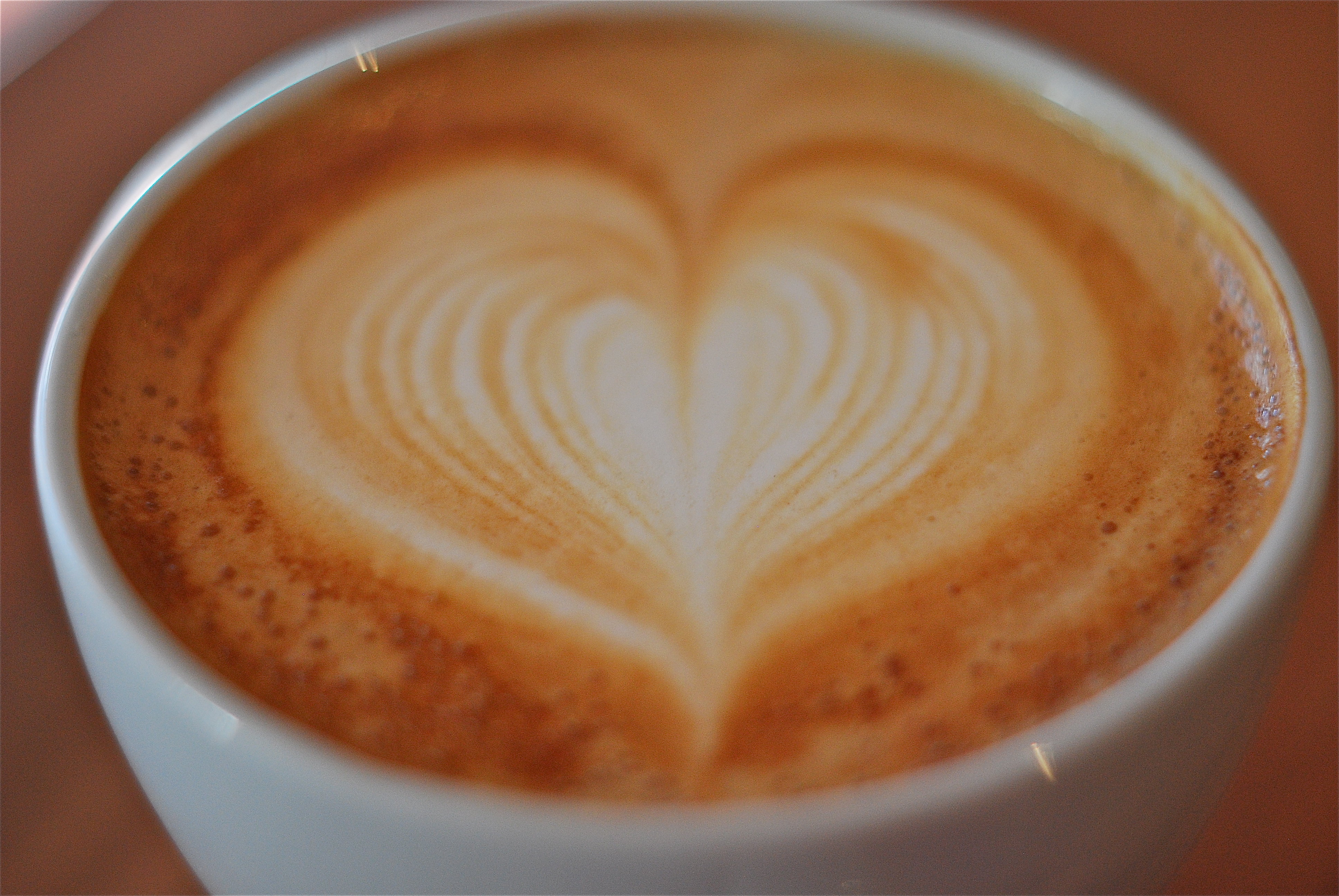
Capao Heart Close

As a cappuccino, it was the best experience – creamy and buttery (the latter a square mile signature), toffee like, cocoa all over my mouth, finishing off with vanilla.

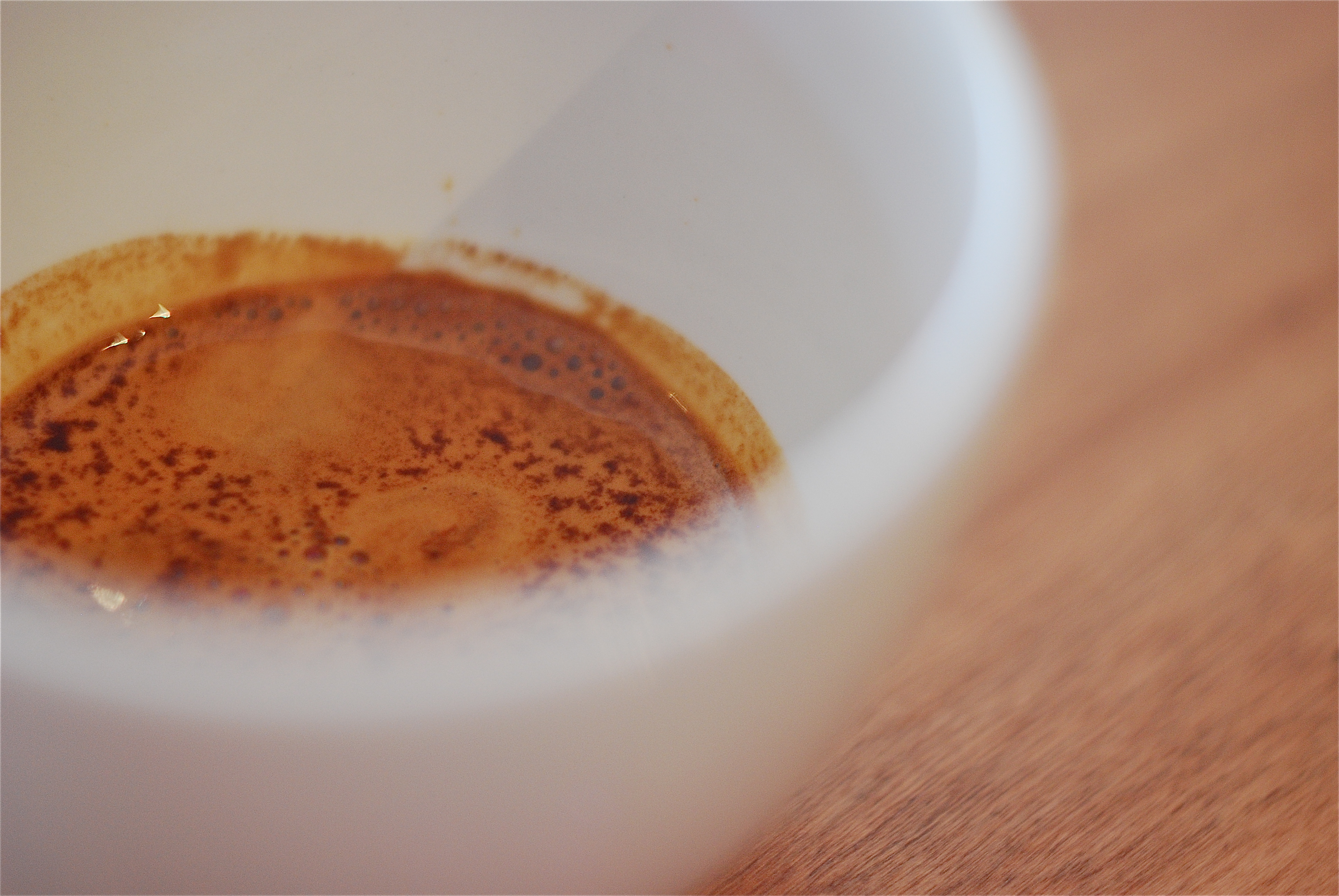
As an espresso, nice body (and looks too) with toffee and hazelnut to the fore, just wrapping around your tongue and delghting your stomach.

As an Americano, there was almost full body crema and similar tastes experienced in the espresso were enhanced with toffee and caramel dominating.

The final taste test was in a French Press, but before that one proviso for those less gifted. Usually, coffee that is made with such vigour using the espresso machine, just doesn’t cut it when extracted using more subtle methods like the French Press, but not in this case. The taste was still amazing “vanilla and cocoa with a hint of berry in the finish and lingering way past 30 minutes”.

So, in summary again, this coffee was not only great, or should I say fantastic in taste, but very versatile across many ways of drinking it.

So sad to see it go, but I pray it comes back in 2011. Well done Square Mile for getting it and roasting it just perfectly for me.

Oh Dear ! What a Gap

A Gap in the blogosphere that is. I’m so sorry for this extra long gap of not blogging but I have a good reason. Setting up my own cafe in downtown Cape Town and you’ll be glad to know if you don’t already that I’ve done so, thank God. It’s called Escape Caffe, located at Manhattan Place, 130 Bree Street, Cape Town.


I’ve set up a blog for it, http://escapecaffe.wordpress.com/ and also a twitter feed, so if you want to know what’s happening on a daily basis, check me out on twitter @escapecaffe. I’ll endeavour to keep this site updated with coffee findings not shared on the main escape caffe website – a task I hope to keep up with.

Take care and I promise something very soon.

My New Toy: The Hario V60

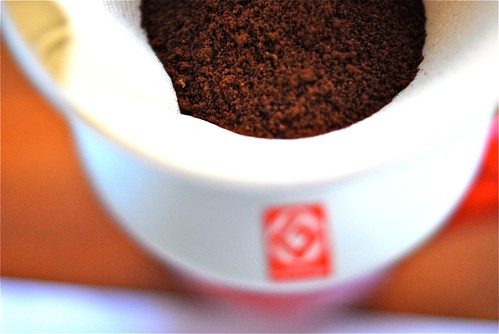
From the title, it sounds like I bought some sort of fast car or psychedelic machine, but as this is a blog about coffee, the Hario V60 is a piece of art but relates to coffee. It’s developed by a Japanese company and is a different form of coffee brewing. I’ve actually seen many similar devices before but did not really know what it was for, but after skimming through many websites, of which square mile coffee roasters (London), was one, there’s been a lot of buzz about the Hario version, with a cool name, the V60. In summary, it’s a simple brew method, but the Hario V60 design, won a Good Design award and actually does makes the coffee taste different. It’s more apt for precious coffees, which will enable you to taste the more fruity and subtle cocoa elements in well roasted coffee. So, you can imagine my delight when I walked into espresso lab in Cape Town and saw a batch of them now available. I thought about it for a week and then I was sold, and bought some Ethiopian Guji Sidamo to accompany my first experience. So, here’s a detailed account of how to brew. You need (i) scales to weigh the coffee (ii) your V60 (iii) unbleached filter paper (iv) a warm glass or carafe to let the coffee to filter into (v) a good grinder (vi) a kettle to boil the water and (vii) great coffee.

1. Whilst your water is boiling, weigh about 22g of arabica beans and pour into your grinder. Once the water is boiled, grind your beans on a setting above a moka grind setting – so not was fine as espresso and not as coarse as French Press; Pour into the filter paper, which should already be inside the V60

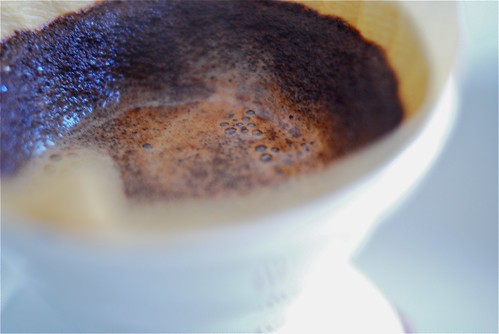
2. Measure out your hot water to about 280ml and pour in a circular motion onto the ground coffee – you should see a bloom

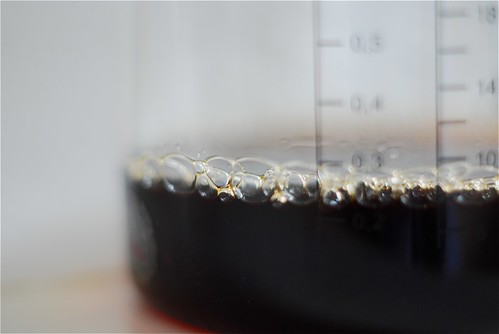
3. It should take about 2 – 3 minutes to brew through, by which time you should have about 280ml freshly brewed coffee

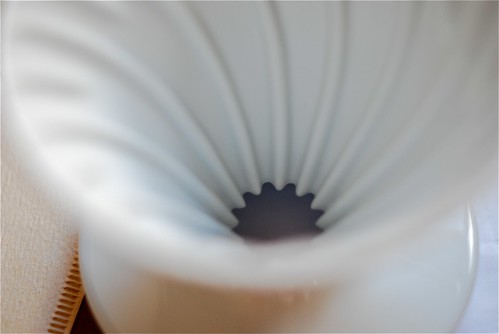
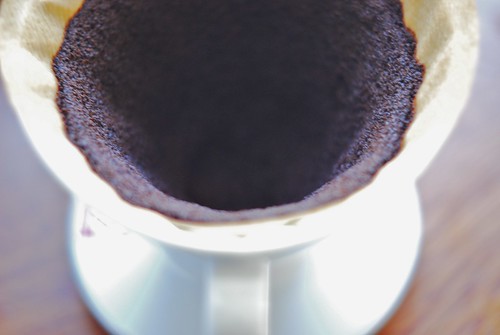
4. At the end, the V60 should look like this after the brewing process is complete

The above is just a guideline, but play around with the method if you get one. Enjoy the experience – the coffee should be light and easier to drink than a French Press. For the Ethiopian Guji I got berry and cocoa lingering tastes. I’ve just bought the organic Brazilian Sao Pedro. I’v been captivated by this method of brewing coffee and have to apologize to my lovely Bodum Columbia French Press, which hasn’t been used in about 2 weeks.

What is an Italian Latte ?

First up, I must announce on my blog, for all those non-coffee geeks, who don’t know already, that the World Barista Champion is Mike Phillips of Intelligentsia Coffee. Intelligentsia Coffee is actually becoming world famous amongst the coffee world and so it won’t be that much of a surprise that they are able to churn out a world class barista. You can view more about Intelligentsia on my blog roll, or follow mike phillips on twitter on 1shotfortheroad – cool name.

OK ! so as we’ve just been elongated with the technical terms of coffee at the WBC, I thought it apt to tackle the technicalities of the so called “what is an Italian Latte ?” debate. It’s actually a very contentious issue and on many forums, pages and pages have been written about what exactly is a latte. Let’s start from the basics. Caffe is Italian for coffee and Latte is Italian for… wait for it…. MILK. So strictly speaking, a caffe latte is coffee with milk. BUT, what sort of milk and what sort of coffee. Have a I lost you ? Stay with me. OK ! we know that most coffee drank in Italy, is espresso based, so that was easy wasn’t it ? We’ve got the coffee out of the way and now for the difficult bit, what sort of milk. We now have 3 types of milk, (i) heated milk, which you can just pour into a small pot and take of the heat when steam appears, or if you have a microwave, pop in for between 30-60 seconds, (ii) steamed milk, which ideally should display lots of steam when heated or if you are lucky enough to have a proper espresso machine, one in which you steam before it froths or if we are going to be technical place the steam wand right into the milk jug as far as it will go, and steam – it will heat up very quickly and you shouldn’t see any bubbles at all. (iii) frothed milk – what we all crave, because if done properly, it should be silky smooth and sweetish, with a wrap around your mouth texture – if you have never had this experience, then the barista that is making your drink, needs to be re-trained or you need to practice more, but this post isn’t about frothing milk, sorry !

So for Italian Latte, I have to be the bearer of bad news and commit myself to say, there should be no frothed milk, boo hoo ! The pic at the top of this post is one made using frothed milk and so it is an imposter. So, that’s right, what a great majority of cafes serve as a caffe latte isn’t a caffe latte, because it is covered with frothed milk. If you have time and money to waste, but are passionate about not getting conned, order a large cappuccino and a caffe latte at your “regular” coffee shop and try and tell what the difference is – good luck and let me know.

OK ! Back to the milk stuff. The first type of milk, heated, is what you should really have in the French version, cafe au lait – OK ! for those who don’t know French and coffee terms, coffee (using the French Press) with milk. So, the second version, steamed milk, should ideally be used for the Italian caffe latte. How do you know if it is steamed and not heated ? Steamed milk should have a trickle of “body”. See below, that little white line on the top.

If you are really passionate, after your drink, check out the inside. It should look a bit like this, Why ?

Well ! that bit of dark cream, is the crema from a well prepared espresso, a double in this case, which interacted with the steamed milk, giving it a bit of a “body” or thick skin. If there was frothed milk, it will still be there, thick as ever. If it was just heated milk, it would wash away your crema and hence the evidence. I’m not mad, but just so you know, this is how the Italian measure their coffees afterwards, by looking inside after it has been drunk. All together now, mad coffee freak….. Hope you learned something, Take care and check those caffe lattes.